
The Biden administration is negotiating with a European Union organization to help reopen the Rafah border crossing in Gaza. This initiative aims to resolve an ongoing dispute between Israel and Egypt about securing the border during Israel’s ongoing invasion of Rafah.
For weeks, U.S. officials have been mediating between Israel and Egypt to facilitate a solution that would allow the European Union Border Assistance Mission (EUBAM) to manage the crossing. This arrangement would significantly improve the flow of humanitarian aid into Gaza, which has been severely restricted since the closure of the crossing on May 7.
Key Points:
- Proposed Solution: The U.S. suggests that EUBAM, which previously managed the Rafah crossing before suspending operations in 2007, could take control of the border point to ensure neutrality and efficiency.
- Egyptian and Israeli Positions: Egypt favors the return of Gazans who formerly operated the crossing, while Israel opposes this, citing the involvement of Hamas members among the former operators.
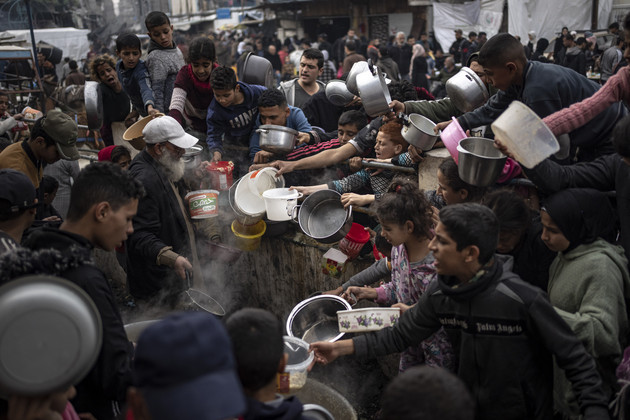
- Current Situation: The closure of the Rafah crossing has hindered aid delivery, exacerbating the humanitarian crisis in Gaza. The Kerem Shalom crossing, the alternative entry point for aid, is overwhelmed, leading to significant delays and shortages of essential goods.
- Diplomatic Efforts: U.S. officials are working diligently to mediate an agreement. Israeli representatives recently visited Cairo to discuss the matter, and an agreement could see the crossing reopened in the coming weeks if EUBAM agrees to the proposal.
The Rafah crossing is a critical entry point for humanitarian aid into Gaza. The ongoing conflict and political disagreements have led to severe restrictions, complicating efforts to deliver food and medical supplies to those in need. The Biden administration’s involvement underscores the international dimension of the crisis and the importance of finding a neutral party to manage the crossing effectively.


COMMENTS