
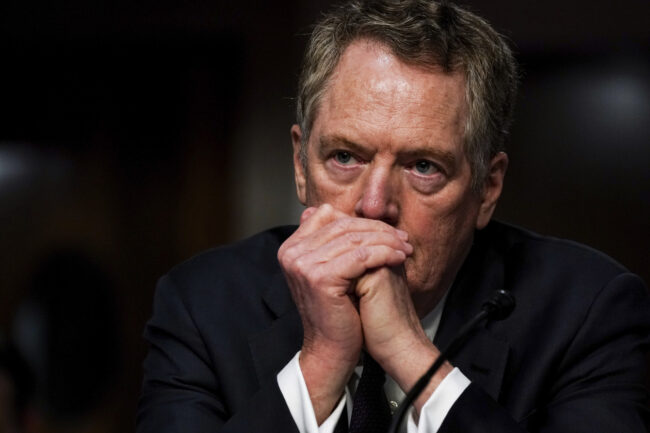
WASHINGTON D.C. — Former President Donald Trump’s administration was rarely noted for bipartisan initiatives. However, in 2019, Trump’s top trade official, Robert Lighthizer, surprised many by arranging a meeting with veteran Democratic Rep. John Lewis. This meeting did not focus on trade but rather on Lewis’ experiences during the Civil Rights Movement, particularly the March on Washington and Bloody Sunday. This outreach eventually contributed to the passage of Trump’s reworked North American Free Trade Agreement (NAFTA) with significant Democratic support, showcasing Lighthizer’s ability to bridge political divides.
Lighthizer’s Influence and Potential Role in a Second Trump Administration
If Trump secures a second term, Lighthizer is poised to pursue more disruptive policies, raising concerns among economists and foreign governments. Former Trump officials have indicated that Lighthizer is a candidate for several senior roles, including Treasury or Commerce Secretary, U.S. Trade Representative (USTR), economic adviser, or even White House Chief of Staff. His influence is further underscored by Trump’s running mate, Ohio Sen. JD Vance, a committed protectionist who aligns with Lighthizer ideologically.
Bipartisan Respect and Strategy
Lighthizer’s ability to gain respect across the political spectrum was evident during Trump’s first term. His coalition-building skills, honed as an aide to former Senate Majority Leader Bob Dole, allowed him to work effectively with Democrats, including Senate Finance Chair Ron Wyden and Rep. Richard Neal, during the NAFTA renegotiation. Lighthizer’s direct access to Trump and his strategic approach made him a significant figure in shaping U.S. trade policy.
Aggressive Trade Policies and Potential Risks
Lighthizer’s proposed second-term agenda includes higher tariffs and measures to devalue the U.S. dollar, aiming to boost U.S. exports. However, these plans have raised alarms, with critics warning of potential inflation and economic destabilization. Massachusetts Rep. Jake Auchincloss described Lighthizer’s trade approach as simplistic and potentially harmful, predicting higher prices and inflation under his policies.
Legacy and Lasting Impact
Despite controversies, Lighthizer’s trade policies have had a lasting impact. President Joe Biden has retained and even expanded some of Trump-era trade measures, such as tariffs and enforcement of the USMCA. This continuity suggests that Lighthizer’s policies resonate beyond partisan lines, though they remain contentious.
Future Challenges
Lighthizer’s potential return in a senior economic role faces uncertainty. Internal resistance within a new Trump administration, especially from finance-oriented advisers like hedge fund manager John Paulson, could limit his influence. Additionally, questions remain about whether Trump would appoint Lighthizer, considering his preference for business-oriented individuals for top economic positions.
In summary, Robert Lighthizer’s bipartisan outreach and strategic influence during Trump’s first term highlight his potential to shape future trade policies. However, his aggressive agenda and the political dynamics within a possible second Trump administration present significant challenges.


COMMENTS