
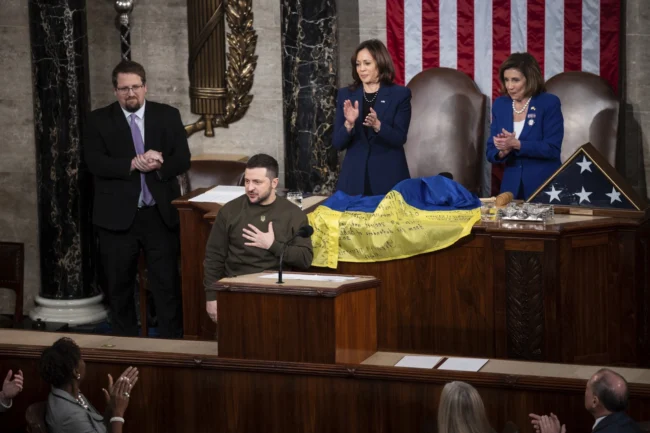
The upcoming U.S. presidential election is shaping up to be a critical juncture for the future of the Ukraine conflict. As President Joe Biden’s term nears its end, both Donald Trump and Kamala Harris are emerging as key figures who could redefine American involvement in this pivotal international struggle. Understanding their potential policies is crucial for gauging the future of U.S.-Ukraine relations.
Trump’s Potential Policy Shift on Ukraine
Trump’s Contradictory Signals
Many view a potential Trump administration, with JD Vance as Vice President, as likely to swiftly end support for Ukraine and scale back U.S. involvement in NATO. However, a closer look at Trump’s actions reveals a more nuanced approach. Despite Trump’s past rhetoric, his administration’s decision to arm Ukraine with Javelins in 2017 was a significant move that contradicted the isolationist tendencies of his more vocal supporters.
Behind the Scenes: Trump’s Realist Approach
In recent weeks, Trump has indicated a more measured stance on Ukraine. During his campaign, he reassured Ukrainian President Volodymyr Zelenskyy, suggesting that any prior anti-Ukraine sentiments might be outdated. Trump’s support for a substantial $60 billion aid package to Ukraine, approved by House Speaker Mike Johnson, signals a potential shift from isolationist rhetoric to a more engaged stance on global conflicts.
Harris’s Potential Foreign Policy Direction
Continuity with Potential Changes
Kamala Harris, should she win, is expected to continue Biden’s approach but with possible modifications. While she has been a strong advocate for Ukraine, her administration could introduce changes in strategy. Ukrainians and their allies have noted that Harris might shift from Biden’s cautious approach, particularly regarding restrictions on weapon use. The aim would be to provide more direct support and lift constraints that have previously hampered Ukraine’s defense efforts.
A New Direction for U.S.-Ukraine Relations?
Harris’s support for Ukraine has been robust, but her presidency could bring a different tone and approach. Her participation in the recent peace summit and her statements emphasizing “strategic interests” in supporting Ukraine suggest that she might advocate for increased military assistance and a stronger stance against Russian aggression.
What This Means for Ukraine
The Broader Implications
Regardless of who wins the presidential election, U.S. engagement in Ukraine will be a defining factor in global geopolitics. A decisive and supportive American policy towards Ukraine could impact NATO’s strength, relationships with other allies, and the broader struggle against aggressive powers like China.
Defining Victory for Ukraine
For Ukraine, a successful outcome is not just about immediate territorial gains but achieving a secure, sovereign state with guaranteed support from the West. This involves bolstering military capabilities and achieving battlefield victories to force a favorable resolution with Russia.
As the election approaches, the potential for either a Trump or Harris administration to reshape U.S. policy towards Ukraine is significant. Each candidate brings different priorities and strategies, but both could influence the trajectory of this crucial conflict in meaningful ways.


COMMENTS