
Governor Gavin Newsom’s amendments caused the stalling of key California slavery reparations bills, leading to frustrations among supporters and lawmakers. The bills’ future remains uncertain as discussions continue.
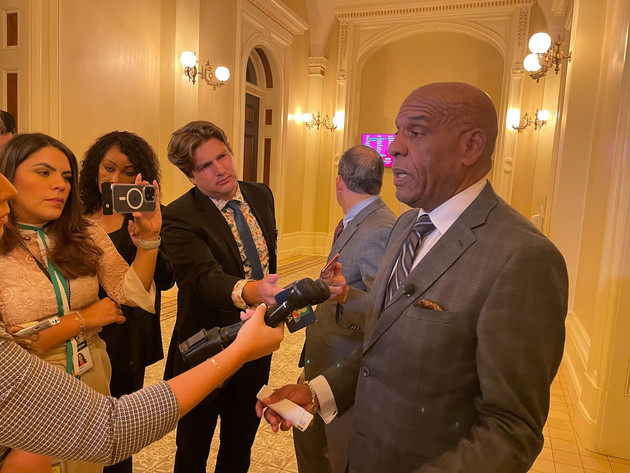
Newsom’s Amendments Cause Stalemate in California Reparations Bills
In the final hours of California’s legislative session, key slavery reparations bills were stalled, with advocates pointing fingers at Governor Gavin Newsom for the setback. Democratic state Senator Steven Bradford, a strong proponent of the reparations measures, criticized the governor’s office for introducing amendments that significantly altered the original proposals.
Cost Concerns Lead to Narrowed Proposals
Governor Newsom’s administration cited cost pressures as a primary reason for narrowing the scope of the bills. One significant change included redirecting the focus from establishing a new Freedmen Affairs Agency to authorizing further study of reparations. According to draft amendments obtained by POLITICO, $6 million would be allocated to California State University to study the implementation of the state’s task force recommendations. These amendments effectively removed the bill’s original intent to create a new state agency dedicated to reparations.
Senator Bradford Rejects Amendments
Senator Bradford, who played a pivotal role on the state’s reparations task force, refused to accept the governor’s proposed changes. He argued that the amendments undermined the core purpose of the bills, which were part of a broader effort to address the harms caused by institutional racism. Bradford suggested that the amendments created pressure on the California Legislative Black Caucus to shelve the bills, expressing his disappointment that the caucus did not move forward despite these challenges.
Black Caucus Members Divided
The stalling of the bills led to a divide within the California Legislative Black Caucus. Some members, concerned about potential vetoes from the governor, chose to delay the bills. Activists and supporters, including Chris Lodgson, lead organizer for the Coalition for a Just and Equitable California, expressed outrage over the decision. Lodgson criticized the governor for allegedly pressuring Black legislators to halt the bills rather than allowing them to reach his desk.
Future of Reparations Bills
Despite the current setback, the reparations bills remain a priority for the California Legislative Black Caucus. Caucus chair Lori Wilson acknowledged the ongoing discussions and clarified that the draft amendments obtained by POLITICO do not represent the final changes. She assured that the caucus plans to revisit the bills next year, with the intent to continue implementing the task force’s findings.


COMMENTS