
For the first time, both major U.S. presidential candidates—Donald Trump and Kamala Harris—come from families shaped by divorce and blended family structures. This historic moment reflects broader shifts in American family life over the past 50 years, as society’s views on what constitutes a “family” continue to evolve.
Changing Family Dynamics in American Politics
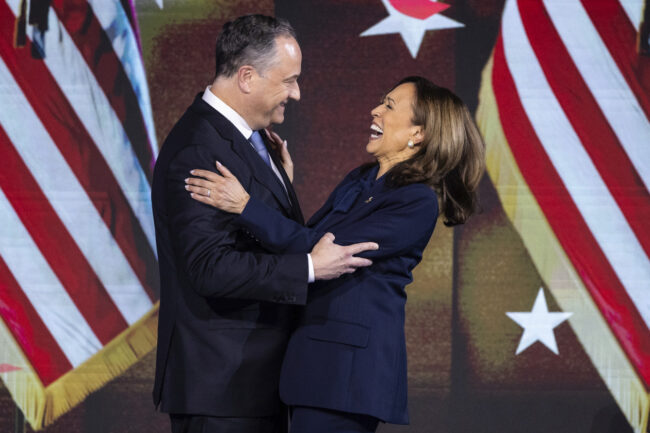
While the political debate over which party is more “pro-family” rages on, the family backgrounds of Trump and Harris highlight the realities of modern American life. Harris, married to Doug Emhoff, has a blended family that includes her stepchildren, Cole and Ella. Meanwhile, Trump has been divorced twice and has five children from three different marriages.
This shift marks a stark departure from earlier decades when candidates’ personal lives, particularly divorces, could derail political careers. For instance, Nelson Rockefeller’s divorce harmed his 1964 presidential run, and even John McCain faced scrutiny over his divorce during the 2008 election. But today, 78% of Americans see single-parent households as acceptable, and 58% support married gay or lesbian couples raising children, according to Pew Research Center.
Diverging Visions of Family
Republicans and Democrats now offer competing visions of family life. Many conservatives advocate for a return to the traditional nuclear family, championing it as the solution to social issues like declining birth rates and rising crime. Ohio Senator JD Vance, Trump’s running mate, is a key figure pushing for this, while simultaneously supporting government programs like expanded child tax credits to support families of all types.
In contrast, Democrats promote a more inclusive definition of family, including same-sex couples, blended families, and single parents. Rep. Ayanna Pressley emphasizes that today’s families, like Harris’ own, reflect a more accurate picture of modern America: “This is reflective of today’s American modern family.”
Policies Reflecting Family Values
Both parties have proposed policies to support families, but their approaches differ. Trump has pledged to make in vitro fertilization (IVF) treatments free for all Americans and supports measures to make child care more affordable. Vance, raised in a nontraditional family himself, advocates for pro-family policies that extend beyond traditional family structures.
On the Democratic side, Harris has pushed for the restoration of the expanded child tax credit and an additional $6,000 credit for infants. Her platform also includes paid parental leave and expanded health care access, framing these as essential supports for families, regardless of their structure.
A Reflection of Modern America
The 2024 presidential race highlights the ways in which American politics is catching up to societal changes. As Transportation Secretary Pete Buttigieg said at the Democratic National Convention, his same-sex family, once unimaginable, is now “ordinary” in today’s America. The evolving family dynamics of both Trump and Harris may symbolize a new era where diverse family structures are accepted as part of the national political landscape.


COMMENTS