
The 2024 election cycle is witnessing an intense focus on China, with both Democrats and Republicans using the nation’s growing global influence as a key point of attack. The rhetoric is shaping the race, particularly in battleground states, and could influence future U.S.-China relations and policies.
Candidates Use China as a Political Attack Line
As the 2024 elections heat up, candidates from both parties are increasingly using China as a central theme in their campaigns. This strategy is rooted in the widespread belief among Americans that China poses a significant threat to the United States, economically and militarily. China has become a convenient target for candidates aiming to discredit their opponents, linking them to the nation in various ways to sway voters.
Historical Context and Growing Tensions
China-bashing has long been a part of U.S. political discourse, but this cycle has seen a significant escalation in the rhetoric. Former President Donald Trump made headlines in 2016 with his tough stance on China, which included imposing tariffs on Chinese goods. The current atmosphere is even more charged, with candidates from both sides accusing their opponents of ties to China that could be detrimental to U.S. interests.
Unfounded Allegations and Political Smears
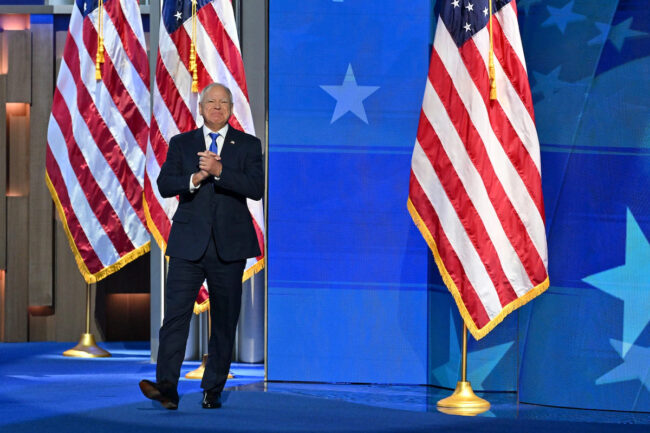
The campaign season has seen a rise in baseless claims, particularly from Republicans, who have accused Tim Walz, Kamala Harris’s running mate, of being “groomed” by China. These allegations, which stem from Walz’s past as an English teacher and congressman in China, have been dismissed by his team as desperate attempts to divert attention from their opponents’ own shortcomings. Despite the lack of evidence, these claims have gained traction, highlighting the power of anti-China sentiment in the current political climate.
The Role of China in Key Senate Races
The focus on China is particularly evident in the Senate races across the Midwest, where vulnerable Democratic incumbents are defending their seats. In Pennsylvania, Senator Bob Casey has attacked his opponent, Dave McCormick, for his past investments in China, tying them to the opioid crisis. Similar attacks are happening in Michigan and Ohio, where candidates are using their opponents’ business dealings with China as a central argument against their suitability for office.
The Impact on U.S.-China Relations
The pervasive anti-China rhetoric in this election cycle could have long-term consequences for U.S.-China relations. The increasing hostility toward China among American voters, fueled by campaign ads and political speeches, suggests that future Congresses may adopt even more aggressive stances against the rising superpower. This could lead to heightened tensions and a more adversarial relationship between the two nations.
Balancing Criticism and Avoiding Xenophobia
While the focus on China’s actions is a legitimate concern for many Americans, there is a risk of the rhetoric spilling over into xenophobia. The increase in hate crimes against Asian Americans during the pandemic serves as a cautionary tale of how political rhetoric can lead to real-world consequences. Lawmakers and candidates need to strike a careful balance between criticizing China’s government and avoiding broader blame that could lead to violence or discrimination against Chinese immigrants and Asian Americans.


COMMENTS