
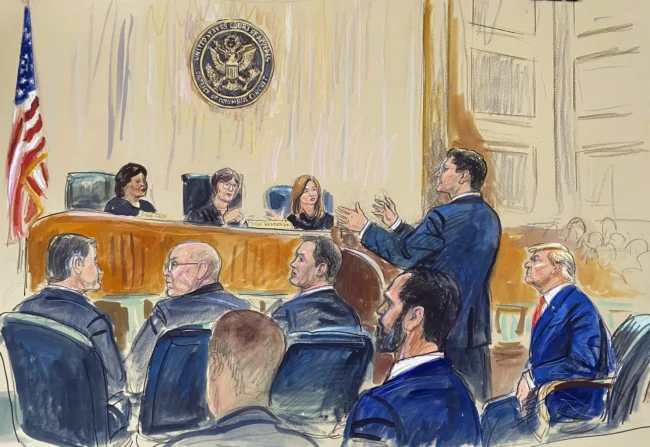
The recent Iowa caucuses revealed that while Donald Trump remains a formidable force in the Republican Party, a significant portion of GOP caucusgoers expressed reservations about his fitness for the presidency if convicted of a crime. This sentiment, if it persists, could pose a substantial obstacle to Trump’s general election chances against Joe Biden. As Trump navigates various legal challenges, including the high-profile case related to his efforts to overturn the 2020 election, the timing of these trials becomes a crucial factor in the unfolding 2024 campaign.
Key Legal Challenges
- Election Subversion Case: The Justice Department’s prosecution over Trump’s attempts to overturn the 2020 election is the most significant. A criminal conviction, particularly for election subversion, could severely impact Trump’s reelection bid.
- Other Pending Cases: Trump faces additional criminal cases in Manhattan, Florida, and Georgia. However, these cases, which involve charges such as hush money payments and possession of classified documents, are currently considered less potent threats.
Legal Timeline
- Washington Trial: The federal criminal trial in Washington, centered on Trump’s post-election efforts, is tentatively scheduled for March 5. However, ongoing legal maneuvers, including Trump’s bid for immunity, could delay the proceedings. If the Supreme Court gets involved, its decision could significantly impact the timeline.
- Supreme Court’s Role: The Supreme Court’s willingness to expedite the case and issue a ruling during its current term, likely ending in late June or early July, is crucial. Any attempt to delay the process could invite criticism given the case’s constitutional and political significance.
Political Calendar and Trial Dates
- Speedy Trial Act: Federal judges must consider the Speedy Trial Act, which allows them to assess whether pretrial delay serves “the ends of justice” and outweighs the public and defendant’s interest in a speedy trial. Public sentiment strongly favors a swift trial.
- Political Events: Trump may argue that trial dates interfere with the Republican Party’s convention in July and his ability to campaign effectively. However, Judge Tanya Chutkan has emphasized the societal interest in a speedy trial, potentially limiting consideration for Trump’s political calendar.
Justice Department Policies
- 60-Day Rule: The Justice Department traditionally avoids major steps in criminal cases affecting elections in the two months leading up to Election Day. However, ongoing trials initiated well in advance of an election might not be restricted by this rule.
Trump’s Legal Endgame
- Postponement Strategy: Trump’s legal team aims to postpone trials until after the election, aligning with his broader campaign strategy to avoid legal repercussions. Even if successful, Trump’s legal challenges will remain a central theme throughout the election, potentially shaping it as a referendum on his legal woes.
In summary, while Trump’s recent success in Iowa positions him as a frontrunner for the GOP nomination, the unresolved legal challenges, particularly the Washington trial, loom large over his prospects in the 2024 election against Joe Biden. The timing of legal proceedings, Supreme Court decisions, and adherence to Justice Department policies will all play pivotal roles in shaping the unfolding political narrative.


COMMENTS