
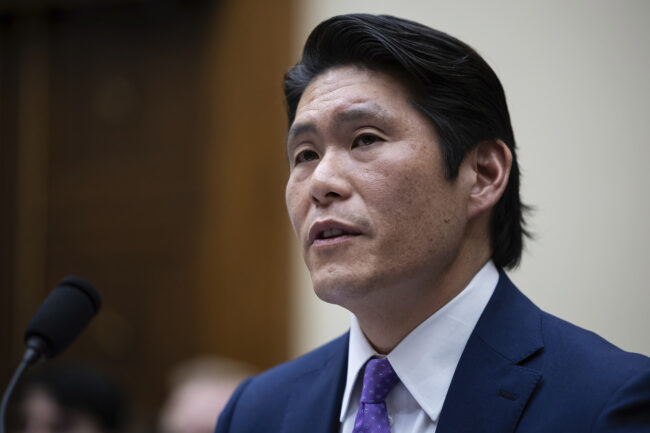
President Joe Biden has invoked executive privilege to prevent House committees from obtaining audio recordings of his interviews with special counsel Robert Hur regarding Biden’s handling of classified documents. The move comes amid a contentious dispute over the portrayal of those interviews in Hur’s report, which raised questions about Biden’s memory and mental fitness.
Political Backlash
While the transcripts of the interviews have already been released, Biden’s decision to block the recordings has sparked political backlash. Critics argue that Biden’s attempt to maintain secrecy over the raw audio raises concerns about transparency and accountability.
White House Defense
White House Counsel Ed Siskel defended Biden’s decision in a letter to Republican House leaders, accusing them of seeking to manipulate the recordings for partisan political purposes. Attorney General Merrick Garland also supported Biden’s assertion of privilege, citing concerns about the impact on future investigations.
Garland’s Defense
Attorney General Garland defended the privilege claim as a principled one, emphasizing the potential harm to future law enforcement investigations if the recordings were made public. He suggested that the House’s demand for the audio was part of a broader campaign to undermine the Department of Justice and federal law enforcement.
Content of the Interviews
Biden’s interviews with Hur, which lasted for five hours, focused on his practices regarding classified documents and his recollections of their handling. Despite Hur’s decision not to pursue charges in the case, his characterization of Biden as a “well-meaning, elderly man with a poor memory” sparked public debate about the president’s mental acuity.
Legal Implications
Biden’s assertion of executive privilege effectively precludes any criminal prosecution of Garland for failing to comply with subpoenas from House committees. However, it remains unclear how the Justice Department will defend Biden’s secrecy bid in ongoing litigation over the issue.
Past Precedent
Biden’s decision to waive executive privilege in other instances involving the Trump administration has drawn comparisons. The move underscores the complexities of balancing transparency with the protection of sensitive information in matters of national security and law enforcement.
Potential Conflict of Interest
Questions have been raised about a possible conflict of interest in Garland’s request and Biden’s concurrence, considering the personal implications for both individuals. However, neither directly addressed these concerns when questioned by reporters.
President Biden’s assertion of executive privilege adds another layer of complexity to the ongoing dispute between the executive branch and Congress, highlighting the challenges of oversight and accountability in a divided government.


COMMENTS