
In the upcoming special election in New York’s third district, Republican candidate Mazi Melesa Pilip faces an uphill battle due to the shadow of scandal cast by former Rep. George Santos. According to a recent POLITICO analysis, history suggests that voters tend to penalize the party associated with a scandal leading to a special election, putting Pilip at a built-in disadvantage against Democratic opponent Tom Suozzi.
The analysis indicates that, on average, the party affiliated with the scandal-tainted former incumbent performs about 9 points worse than in the preceding general election. While there have been exceptions, with scandal-affiliated parties running ahead in about a third of cases, the trend suggests that voters often hold the responsible party accountable.
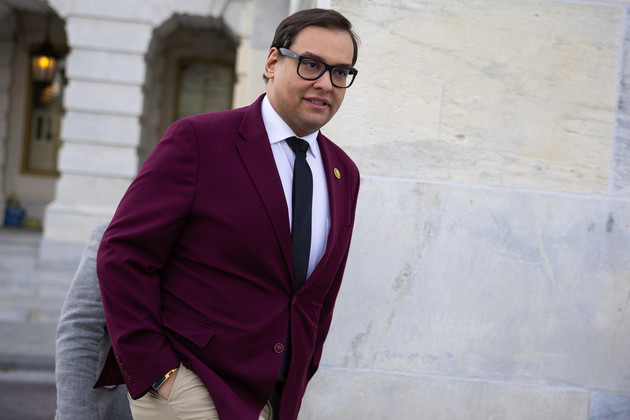
Former Rep. George Santos won the 2022 election over Democrat Robert Zimmerman by 8 percentage points. The average scandal penalty, based on trends since 2000, could result in a closely contested race between Suozzi and Pilip.
The term “scandal penalty” refers to the impact of controversies leading to a special election on the party associated with the scandal-tarred former incumbent. In this case, the scandal surrounding George Santos includes allegations of fraud, fabrications, and campaign finance violations, making it a significant factor in the upcoming election.
Despite acknowledging the potential impact of the Santos scandal on Pilip’s candidacy, Republicans argue that voters’ concerns over crime and immigration are playing a more substantial role in shaping the race. The president of the House GOP super PAC Congressional Leadership Fund, Dan Conston, emphasizes the power of their message, enabling them to compete even in a district that President Joe Biden carried by 8 points.
The article also provides historical examples of special elections influenced by scandals, including shifts in voter preferences following controversies such as sexual harassment, campaign finance violations, and ethical concerns. The analysis highlights instances where scandal-affiliated parties performed worse in special elections compared to the previous general elections.
The outcome of the NY-03 special election will be closely watched, and the article notes that while scandal does not preordain an outcome, there is a recognized “scandal penalty” in modern elections. The political landscape, along with potential external factors such as a snowstorm affecting turnout, adds complexity to the race.
In conclusion, the article aims to provide a comprehensive overview of the political dynamics and historical patterns that may impact the NY-03 special election, acknowledging that the ultimate outcome is uncertain and dependent on various factors, including voter perceptions and external circumstances.


COMMENTS