
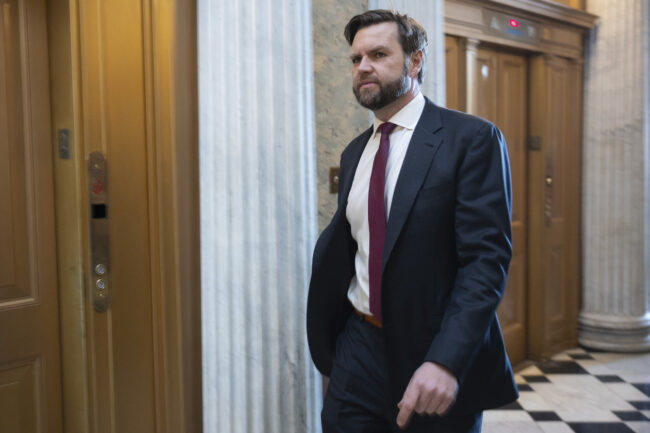
Senator J.D. Vance questions the validity of recent New York jury verdicts in the E. Jean Carroll defamation and sexual assault cases against former President Donald Trump. Labeling the cases as “trumped up” and influenced by left-wing bias, Vance suggests that the legal actions are politically motivated.
Vance’s Claims on ABC’s “This Week”:
Appearing on ABC’s “This Week,” Sen. J.D. Vance expressed skepticism about the validity of the recent jury verdicts against Donald Trump. Vance argued that the cases are orchestrated in “extremely left-wing jurisdictions,” raising concerns about the fairness of the proceedings.
Political Motivation and Funding Sources:
Vance alleges that the legal actions against Trump are politically motivated and funded by his opponents. According to Vance, the goal is not to facilitate a genuine conversation but to defeat Trump through the courts, as these opponents recognize challenges defeating him at the ballot box.
Trump’s Response and Criticism:
The former president echoed Vance’s sentiments, criticizing the verdicts on his platform Truth Social. Trump dismissed the rulings as “absolutely ridiculous” and framed them as part of a broader “Biden Directed Witch Hunt.” He emphasized the misuse of the legal system as a political weapon.
Fairness of New York City Verdicts Questioned:
When questioned about the fairness of verdicts by a New York City jury, Vance reiterated concerns about left-wing bias, especially when cases are funded by left-wing donors. He suggested that the process may lack impartiality due to political influences.
Response to Claims of Trump’s Impact on Sexual Assault Victims:
Vance defended Trump against claims that supporting him sanctions behavior like sexual assault and defamation. He argued that such statements are unfair to victims and emphasized the need to focus on issues rather than personal attacks in the lead-up to the 2024 election.
Conclusion:
Senator J.D. Vance’s remarks on the validity of recent Trump verdicts underscore the ongoing political divisions and accusations of bias in high-profile legal cases. The exchange reflects broader debates about the intersection of law, politics, and public perception.


COMMENTS