
The Justice Department’s charges against two European men for orchestrating a “swatting” campaign against U.S. public officials highlight the growing dangers of this criminal tactic. The charges underscore the serious consequences of “swatting,” which can cause real harm, waste resources, and instill fear among targeted individuals. The case sheds light on the need for stronger legal frameworks and international cooperation to combat such threats.
The Criminal Conspiracy Unfolds
Two men from Europe, Thomasz Szabo of Romania and Nemanja Radovanovic of Serbia, have been charged by the Justice Department with carrying out a “swatting” campaign that targeted dozens of U.S. public officials. Over four years, these individuals allegedly made false 911 calls, leading to dangerous police responses at the homes and offices of high-ranking officials, including members of Congress, Cabinet-level executives, and law enforcement officers. The indictment against Szabo and Radovanovic includes 34 felony counts.
The Tactic of “Swatting”
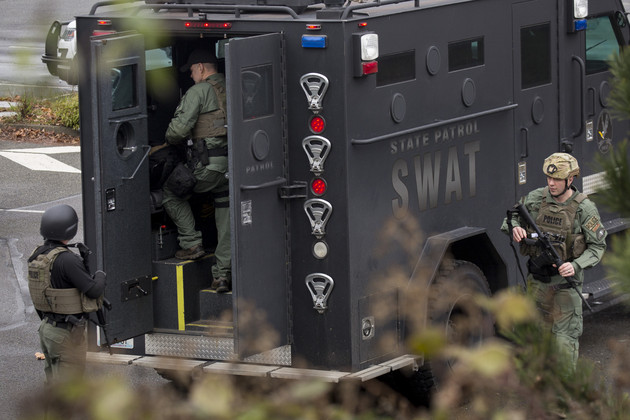
“Swatting” involves making false emergency calls to provoke a large-scale law enforcement response, often involving SWAT teams. This tactic has become increasingly common in recent years, particularly against public figures. The perpetrators not only targeted officials but also issued bomb threats to various institutions, including businesses, religious organizations, and a university.
Impact on Public Officials and Their Families
The psychological and emotional toll on the victims of “swatting” is significant. Incidents have occurred during family gatherings and holidays, heightening the stress and fear experienced by the targets. For instance, Rep. Marjorie Taylor Greene and Rep. Shontel Brown were both “swatted” recently, causing unnecessary alarm and disruption in their personal lives. Former Rep. Mike Gallagher faced a particularly severe case where a false report led law enforcement to believe his family was in immediate danger.
A Broader Threat to Public Safety
The ramifications of “swatting” extend beyond the immediate fear and chaos it causes. It drains valuable law enforcement resources and puts lives at risk. As U.S. Attorney Matthew Graves emphasized, “Swatting is not a victimless prank — it endangers real people, wastes precious police resources, and inflicts significant emotional trauma.”
Legal and International Implications
The charges against Szabo and Radovanovic highlight the need for enhanced legal measures and international cooperation to address the growing threat of “swatting.” This case may prompt further scrutiny of current laws and the development of new strategies to prevent such incidents in the future. It also serves as a warning to those who might consider using similar tactics to harass or intimidate public officials.


COMMENTS