
The rare general strike in Israel highlights deep divisions over Prime Minister Benjamin Netanyahu’s handling of the hostage crisis in Gaza, as U.S. President Joe Biden criticizes Netanyahu’s efforts to secure a ceasefire and hostage release.
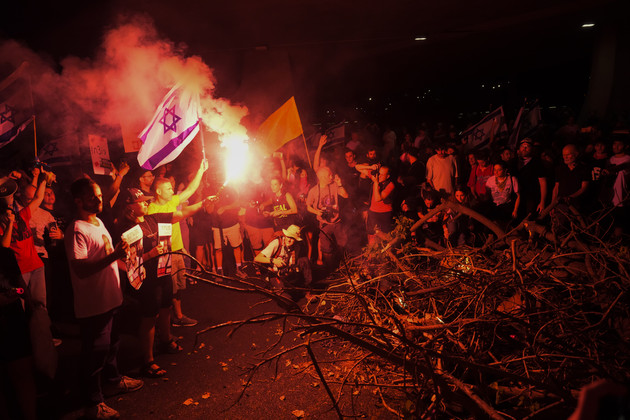
General Strike Disrupts Israel Over Gaza Hostage Crisis
A rare general strike swept across Israel on Monday as public frustration over the government’s handling of the hostage situation in Gaza reached a boiling point. The strike, called by Israel’s largest trade union, Histadrut, aimed to disrupt major sectors of the economy, including banking, healthcare, and transportation. Though the strike was brief, ending early by a labor court ruling, it marked a significant moment of public dissent in a country deeply divided over the ongoing conflict with Hamas.
Public Outrage Following Hostage Deaths
The strike followed massive protests on Sunday night after the bodies of six hostages were found dead in Gaza. Hundreds of thousands of Israelis took to the streets, expressing grief and anger at Prime Minister Benjamin Netanyahu’s government. Many blamed Netanyahu for the deaths, arguing that the hostages could have been saved through a deal with Hamas. The protests, which were some of the largest since the start of the war, reflected widespread frustration and fear among the public.
Biden Criticizes Netanyahu’s Efforts
Adding to the pressure on Netanyahu, U.S. President Joe Biden publicly criticized the Israeli leader’s efforts to negotiate a ceasefire and secure the release of hostages. Speaking to reporters at the White House, Biden stated that Netanyahu was not doing enough to reach a deal with Hamas, though he expressed hope that a resolution was still possible. This rare public rebuke from a close ally underscores the international concern over Israel’s approach to the conflict.
Debate Over Military Strategy vs. Hostage Negotiations
The situation has exposed deep political divisions within Israel. While many Israelis are calling for an immediate deal with Hamas to secure the release of the remaining hostages, others support Netanyahu’s strategy of maintaining military pressure on the militant group. They argue that continued force is necessary to weaken Hamas and ultimately ensure the safety of Israel, even if it means delaying the hostages’ release.
Impact of the Strike and Protests
Despite its limited duration, the general strike had a notable impact on daily life in Israel, particularly in major urban areas like Tel Aviv. Airlines at Ben-Gurion International Airport halted outgoing flights for two hours, and some public services were disrupted. However, the strike’s effect was uneven, with participation varying across different regions. The mixed response reflects the broader national divide over the government’s handling of the conflict and the ongoing negotiations with Hamas.
The Broader Context of the Israel-Hamas War
The war, which began after Hamas militants launched an unprecedented attack on Israel on October 7, has resulted in significant casualties on both sides. Over 1,200 Israelis were killed in the initial attack, while Israel’s retaliatory strikes have led to the deaths of more than 40,000 Palestinians, according to local health officials. The conflict has displaced the majority of Gaza’s 2.3 million residents and created a severe humanitarian crisis in the region.
Calls for a Resolution Amidst Growing Tensions
As the conflict drags on, the pressure on Netanyahu’s government to secure a deal with Hamas is intensifying. Many Israelis demand that the government prioritize the return of hostages, even if it means compromising on military objectives. However, Netanyahu has vowed to continue the military campaign until Hamas is decisively defeated, setting the stage for continued tension and uncertainty.


COMMENTS