
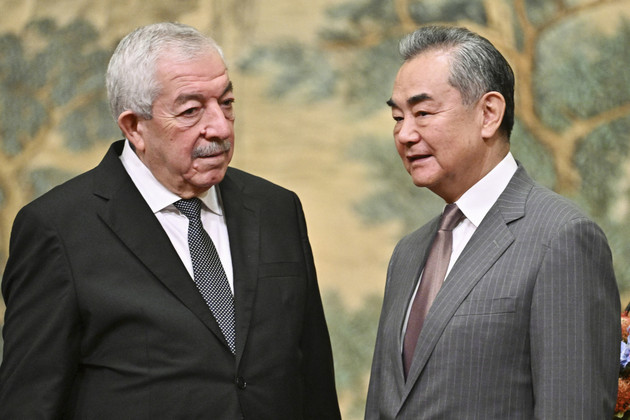
In a historic move, Palestinian factions Hamas and Fatah have signed a declaration in Beijing, committing to form a unity government to govern the occupied West Bank and Gaza Strip following the end of the Israel-Hamas war. This agreement, which also includes 12 smaller Palestinian parties, marks a significant step towards potential reconciliation between these long-time rivals.
Key Details:
- Historic Agreement: Hamas and Fatah, long-standing adversaries in Palestinian politics, have vowed to work together to govern the Palestinian territories.
- Location of Agreement: The deal was brokered in Beijing, highlighting China’s growing influence as a mediator in international conflicts.
- Past Efforts: Previous reconciliation attempts in Cairo (2011) and Algiers (2022) failed to materialize into actionable outcomes.
Challenges Ahead:
- Diverging Views on Israel: The agreement does not address the fundamental differences between Hamas and Fatah regarding their stance on Israel. Hamas has historically refused to recognize Israel, while Fatah supports a two-state solution.
- Israel’s Response: Israel has rejected the notion of either Hamas or Fatah governing Gaza post-war. Prime Minister Benjamin Netanyahu has expressed concerns over both groups’ security threats to Israel.
Regional and International Implications:
- Beijing’s Role: China’s involvement in brokering this deal is seen as part of its strategy to increase its diplomatic influence in the Middle East, following its success in normalizing relations between Saudi Arabia and Iran.
- Future of Gaza Governance: The future governance of Gaza remains a contentious issue, with Israel and Hamas currently considering an internationally backed cease-fire proposal.
Expert Opinions:
- Skepticism: Tahani Mustafa from the Crisis Group views the agreement as a potential PR stunt, given the significant challenges and historical animosities between the factions.
- China’s Influence: James Char, a research fellow at Nanyang Technological University, suggests that successful reconciliation could enhance China’s diplomatic clout in the region.
Subscribe to our newsletter


COMMENTS