
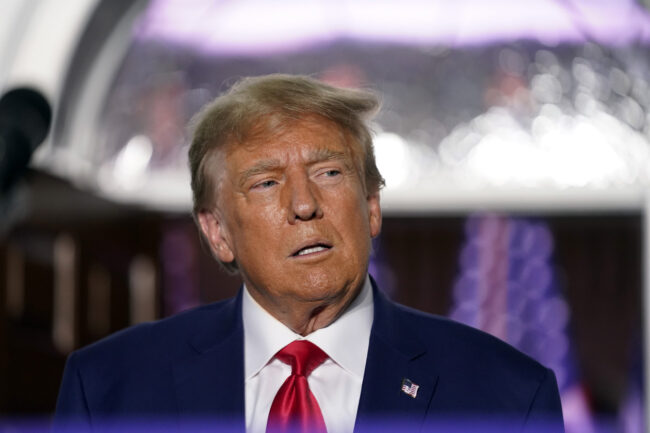
In a significant judicial decision, Judge Aileen Cannon has dismissed the federal criminal case against former President Donald Trump, which charged him with amassing sensitive national security secrets at his Mar-a-Lago estate and obstructing government efforts to reclaim them. This decision stems from her conclusion that Special Counsel Jack Smith’s appointment violated the Appointments Clause of the Constitution.
Key Points from Cannon’s Ruling
- Appointment Violation: Cannon’s 93-page ruling asserts that the special counsel’s appointment breached constitutional principles, specifically the role of Congress in appointing constitutional officers and authorizing expenditures.
- Disparagement of Interpretation: She criticized Smith’s legal interpretation as “highly-strained,” implying a flawed understanding of the provision that supposedly authorized his appointment.
- Potential Appeal: Smith is likely to appeal the ruling. His office and Trump’s spokespeople have yet to comment.
Political Reactions and Implications
- Trump’s Response: Trump called for the dismissal of all pending cases against him, labeling them as part of a “political conspiracy” by the Democratic Justice Department.
- Democratic Leaders’ Criticism: Senate Majority Leader Chuck Schumer urged an appeal and demanded the case be reassigned to a different judge, questioning Cannon’s impartiality.
- Smith’s Team: They had requested alternative remedies, like reassigning the case to other federal prosecutors, but Cannon dismissed the need for these.
Broader Legal and Political Context
- Impact on Other Special Counsels: Cannon’s ruling could invalidate past special counsel appointments, such as Robert Mueller and Robert Hur, arguing that the Justice Department lacks a legal basis for such appointments under current regulations.
- Historical Precedent: Cannon’s ruling cites Justice Clarence Thomas’s concurring opinion on Trump’s presidential immunity, suggesting a broader judicial perspective on special counsel authority.
- Future of the Case: Any appeal will move to the 11th Circuit Court of Appeals and potentially the Supreme Court. If Trump wins the 2024 election, his appointed attorney general is expected to terminate the case and related prosecutions.
Trump’s Judicial and Political Strategy
- Defense Perspective: Timothy Parlatore, Trump’s former lawyer, indicated that a new attorney general under Trump would likely dismiss the case, reflecting the administration’s stance.
- Support for Cannon: Former U.S. Attorney Scott Brady defended Cannon’s decision, emphasizing the role of federal judges in making impartial decisions despite political pressures.
This ruling follows shortly after an attempted assassination on Trump at a rally, which has intensified calls from his allies to drop all ongoing prosecutions. This judicial decision underscores the complex interplay between legal proceedings and political dynamics as the 2024 election approaches.
Subscribe to our newsletter


COMMENTS