
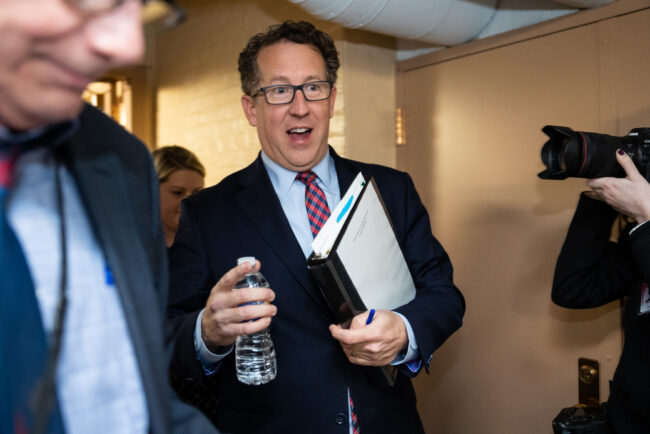
In a recent development, Rep. Adrian Smith, a seasoned Republican from Nebraska, has joined the discourse surrounding the potential federal funding for the reconstruction of Baltimore’s Francis Scott Key Bridge. While not fully committing to the idea, Smith expressed openness to considering federal assistance but emphasized exploring private funding options as well.
Considering Federal Funding
Speaking following a brief session in Washington, Smith iterated his willingness to evaluate the proposal for federal funding. However, he emphasized the importance of exploring private resources alongside federal assistance, suggesting a balanced approach to addressing the infrastructure challenge.
Republican Hesitation
Smith’s stance reflects a broader trend among House Republicans, with many expressing hesitation or outright resistance toward solely relying on federal funds for the bridge’s reconstruction. Despite acknowledging the significance of reopening the Port of Baltimore, Republicans advocate for exploring alternative financing avenues to mitigate economic consequences.
Economic Implications
The closure of the Port of Baltimore poses significant economic risks, particularly concerning supply chain disruptions with potential nationwide repercussions, especially along the East Coast. Maryland officials stress the urgency of reopening the port and bridge to avert adverse economic effects.
Ensuring Infrastructure Resilience
Smith highlighted the importance of ensuring infrastructure resilience to prevent similar disruptions in the future. While acknowledging the potential for supply chain challenges, he emphasized the need to explore redundancy measures in port operations to enhance resilience and minimize future risks.
Conclusion
Rep. Adrian Smith’s cautious approach to federal funding for the Francis Scott Key Bridge reconstruction underscores the complexity of infrastructure financing discussions. As policymakers navigate the issue, balancing federal resources with private sector involvement emerges as a crucial aspect in addressing infrastructure challenges effectively.


COMMENTS